Growing Together: A Kansas Story of Community, Land, and Local Food
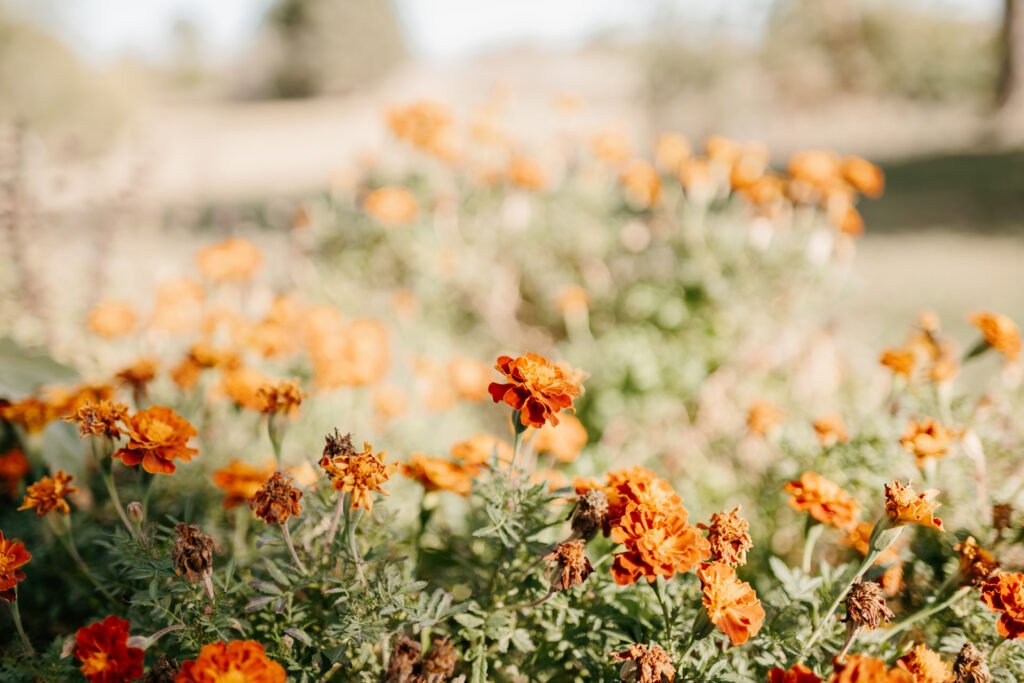
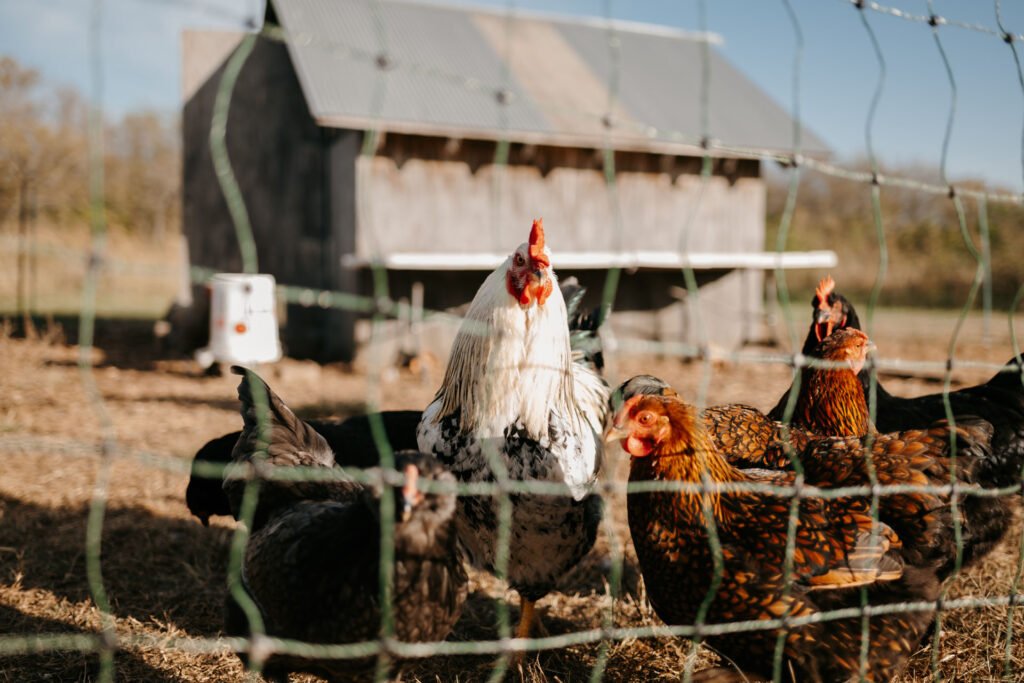
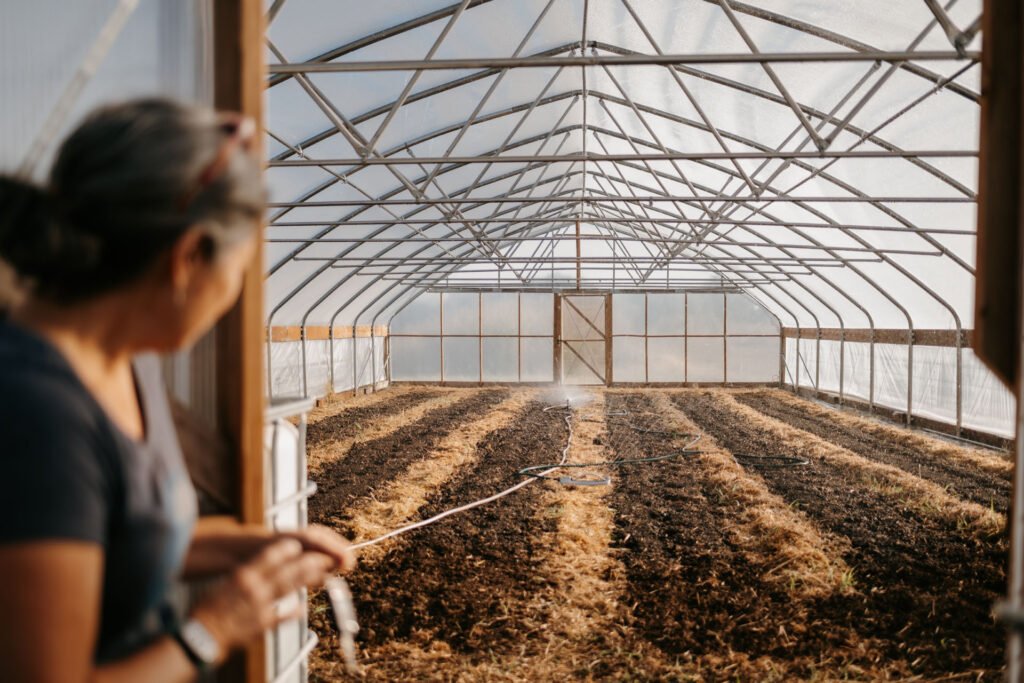
Sharon Autry runs Herdsman House Farm, a small farm in Miami County where she grows food and flowers, and over the years, she’s become known as someone people turn to when they’re just getting started. Someone who will point them to the right person, share tools and resources, or simply listen. “I couldn’t do this without community,” she said. “And I don’t want to. We’re not meant to do this alone.”
In addition to running the small specialty crop operation committed to soil health, equitable access to nutritious food, and regenerative practices, Autry plays a bigger role in the wider agricultural community. She is the Urban Agriculture Specialist for the Miami County Conservation District, where she supports other growers with technical guidance, workshops, and connections to resources. In short, she helps more people grow food and build local food networks.
Generational Roots
Agriculture has always been a part of Autry’s story, long before she had words to name it. Her grandparents were migrant farm workers from the Corpus Christi–Brownsville region of Texas, and her great-grandmother was from Mexico. That legacy lives in her genetically, spiritually, and practically.
“The things that have happened to our ancestors stay with us,” she said. “I wonder how much my grandparents’ relationship to agriculture is still vibrating within me and shaping what I choose to do with my work.”
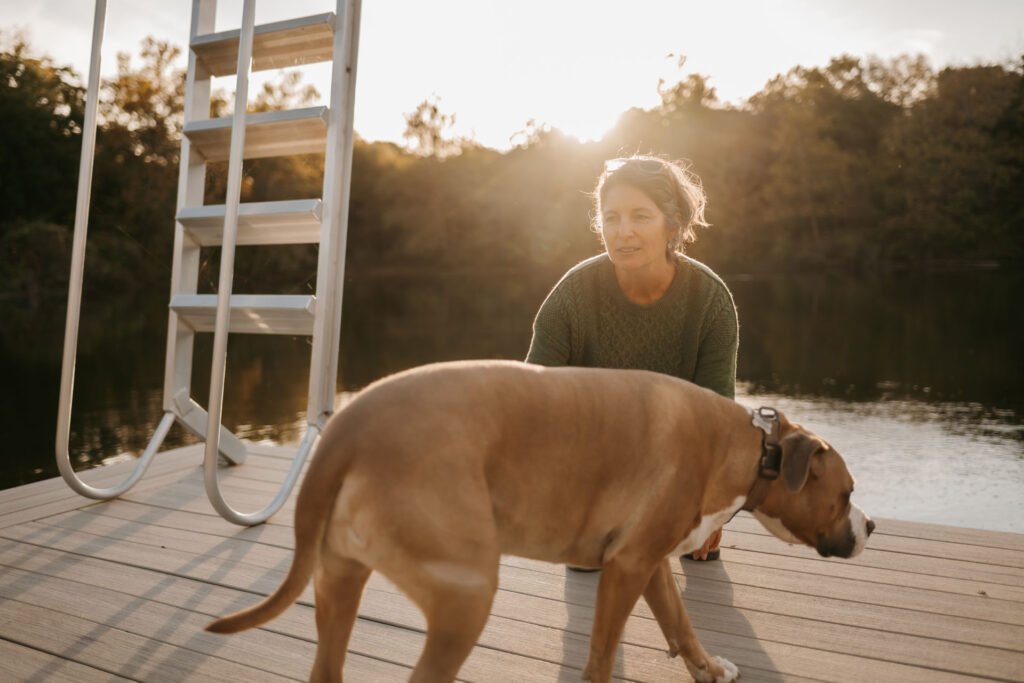
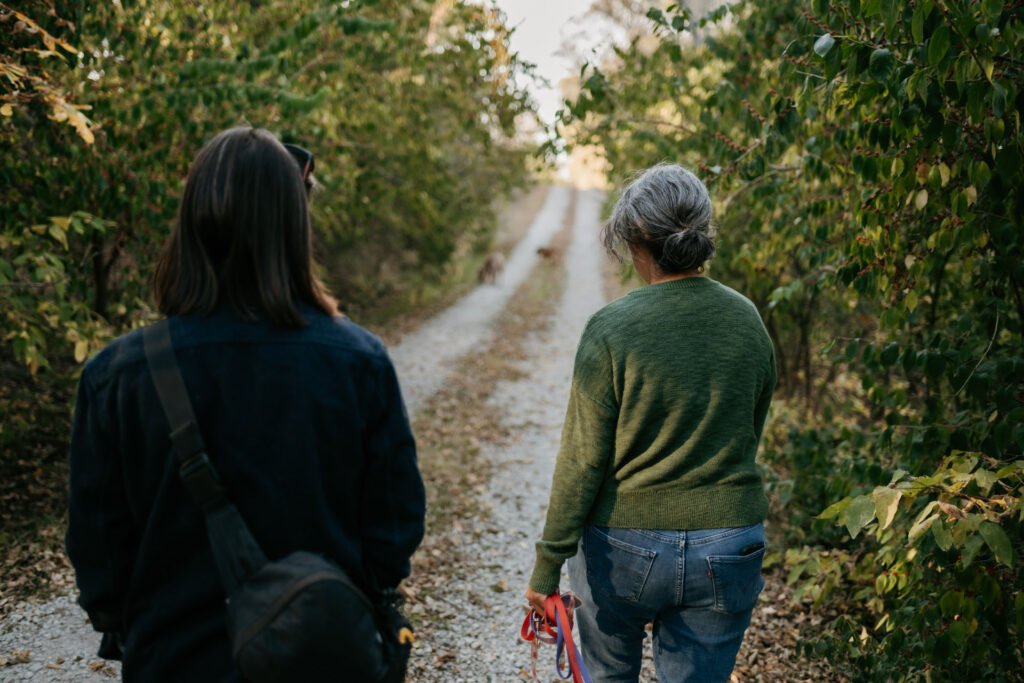
As a teenager, Autry already sensed the life she wanted to build. She remembers drawing it out in her journal at 14; a winding country road, dogs walking beside her, land she could call her own. “You have this picture in your head, and you take baby steps toward it. Then one day, you realize you’re standing inside it,” she said.
Through Herdsman House Farm and her broader work in the region, Autry is living a life of purpose. She’s helping people reconnect with food as fuel, and as the foundation of health, culture, and community. She grows capacity, shares knowledge with newer farmers, and connects others to tools and resources so that more people can grow and thrive.
“I steward Herdsman House Farm, a small piece of land that I lease from Historic Martin Farm, established in 1879,” she explains. “The landowners are strong advocates for regenerative farming and have been incredibly supportive of small-scale producers like myself and my adjacent neighbors. It’s because of their generosity that I’ve been able to start my own small farm.”
This, she says, is yet another example of how community has been an essential support system in her life and work. A constant reminder that farming is never a solo act.
A Vision for the Future
Autry’s vision extends far beyond her own acreage. As an Urban Agriculture Specialist and longtime advocate for sustainable food systems, she believes strongly in working across rural, urban, and peri-urban communities to build something bigger than any one farm.
“Everything is connected,” she said. “We don’t have the infrastructure we need for local food distribution, and we should. It’s not a complicated thing with the right resources. It just hasn’t been prioritized.”
She saw what was possible during the early months of COVID, when global supply chains failed and people panicked. “That’s when people turned to local food sources,” she recalled. “That’s when we saw how resilient local systems can be and how much we need them.”
But the burst of interest in local food didn’t last. Now, with fewer resources and higher costs, Autry sees many small producers struggling to keep going. “People think it’s too complicated or too niche to support small farms, but it’s really about investment and infrastructure. With funding and tools, a lot of this would be easy. We just haven’t built the systems yet, but we can.”
What Holds Us Together
When Autry talks about farming, she centers relationships. Relationships to the land, to the past, and to each other.
“I could name a person who helped me with each lesson,” she said. “From KC Farm School, to Claire at Johnson County Community College, to friends who lent me tools or talked me through the hard parts, it’s been a community all the way.”
That sense of reciprocity, of working side-by-side toward something shared, is a value Autry wants to cultivate just as much as her soil.
“We’re interconnected. That’s our strength,” she said. “I want people to think about who their community is, and how they can collaborate, even if it’s just one small thing. You’re not alone in this. You’re part of something.”
“We have to stop treating farming like a solo act or a one-size-fits-all system. Whether you’re in a rural town or an urban neighborhood, we all have a role to play in food sovereignty.”
She believes that building a stronger local food system starts with relationship-building, listening, sharing, and showing up across boundaries. “We have to stop treating farming like a solo act or a one-size-fits-all system. Whether you’re in a rural town or an urban neighborhood, we all have a role to play in food sovereignty.”
A Future Rooted in Resilience
When asked what future she wants for her community, Autry doesn’t hesitate: “Successful small-scale producers,” she said. “People who can make a living doing what they love; growing food, feeding people, living in connection with the land.”
Getting there won’t be easy. “It might take a crisis again,” she said. “I saw during the pandemic that people changed their habits when the big system broke down. But it shouldn’t have to come to that. We should be building the backup systems now.”
And what role will she play in that future?
“I’m a producer,” she said. “But I’m also a listener, a collaborator, a writer. I hope I can keep doing all of those things by helping others get started, telling stories that matter, and feeding the people around me in more ways than one.”
###