Lending Her Voice: A Kansas Story of Survival, Care, and Speaking Truth
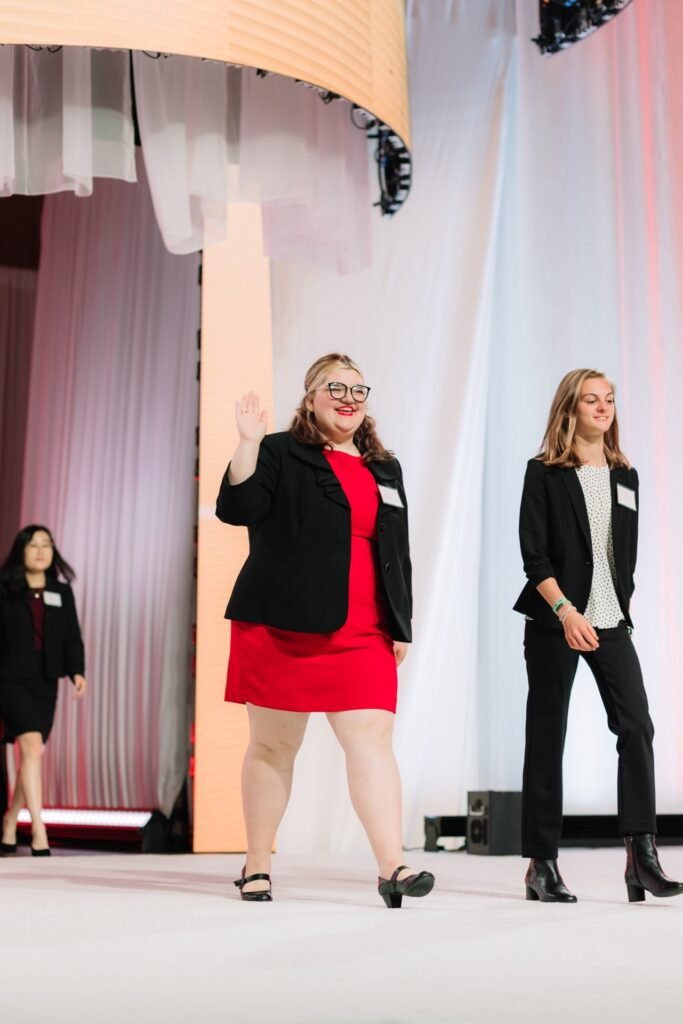
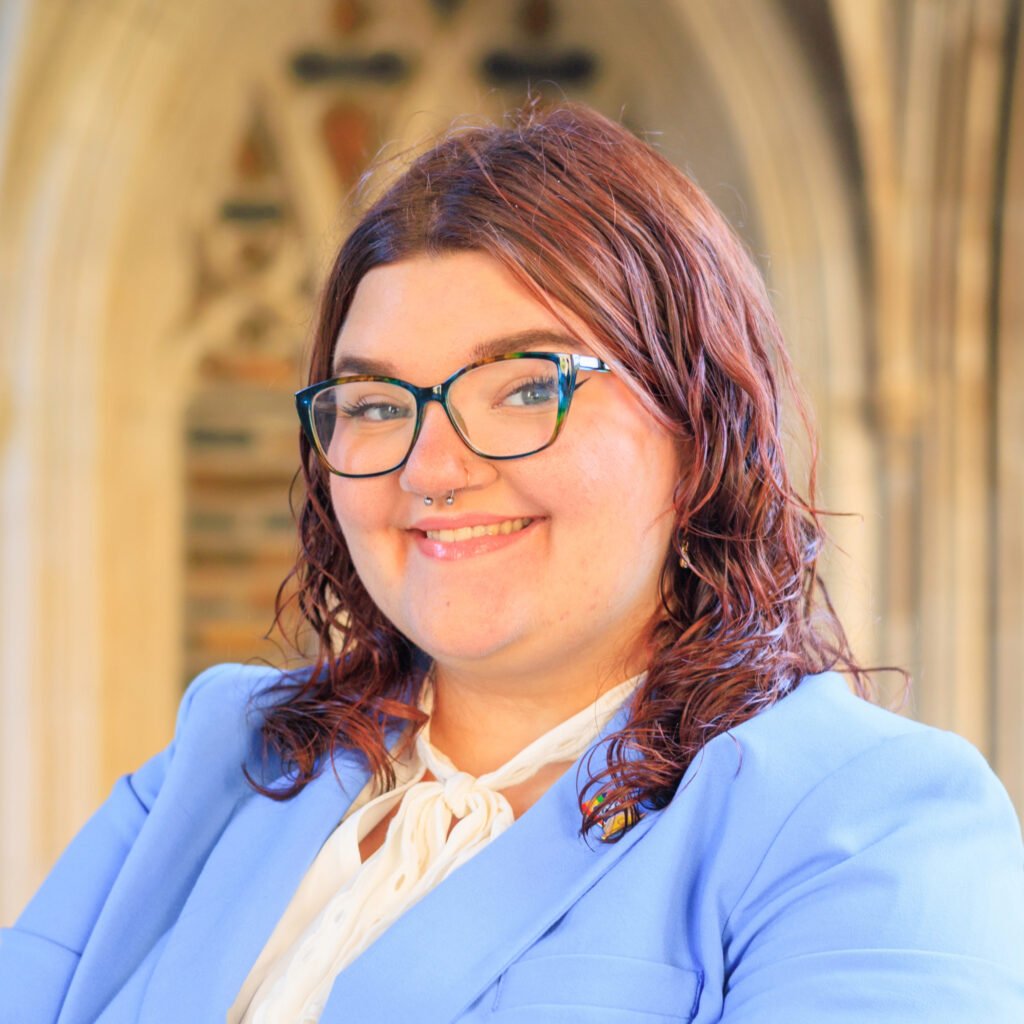
Ariona Cook has never been afraid to use her voice to speak up for those around her. Raised in Marysville, Kansas, and now a third-year public policy student at Duke University, Ariona (“Ari”) is known back home as a force.
She’s been called outspoken, bold, relentless. And she agrees, not out of arrogance, but because she knows what it’s taken to survive. “I’ve never shied away from giving my opinion,” she said. “And people respect that. I care. I’ve lived it.”

Growing Up in the Gap
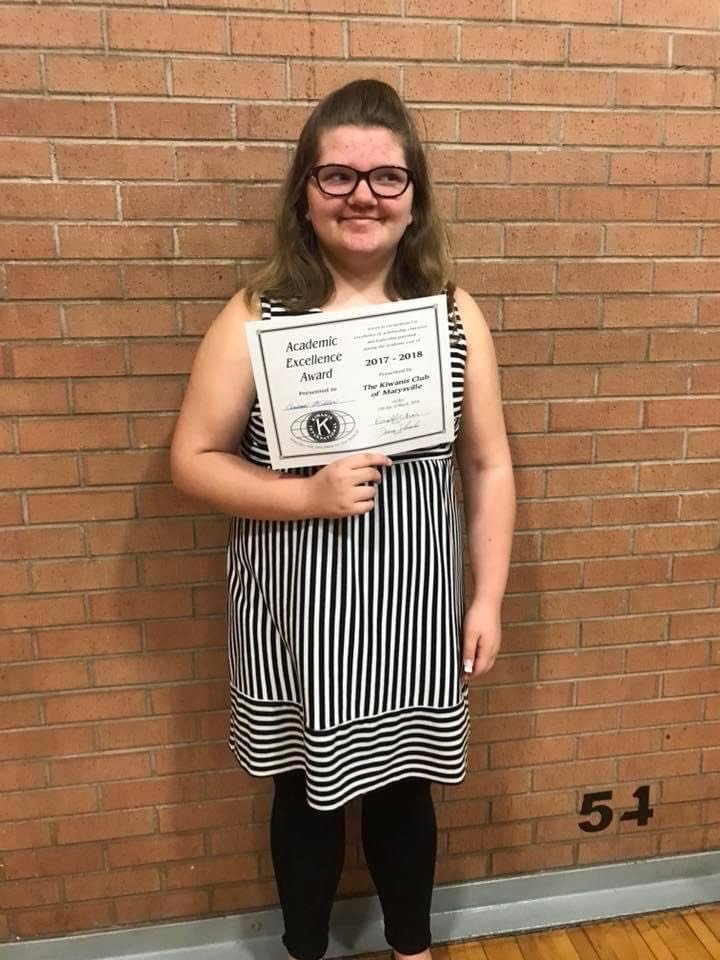
Ari’s father struggled with health issues, and while the details were often spoken in code or whispers, she still remembers the undertone: worries about medical debt, debates about whether to go to the doctor, the quiet calculus of what their family could afford.
At around 12 years old, she remembers being sat beside her mom at the local Department for Children and Families (DCF) office while her mother filled out a Medicaid application on her behalf. A few years later, after becoming judicially emancipated at age 15, Ari had to apply for Medicaid on her own. From 15 to 19, the program covered everything: therapy, physicals, glasses, prescriptions.
It wasn’t until she moved to North Carolina for college and switched to student insurance that she fully realized how much Medicaid had carried, and how much people take for granted when they’ve never had to navigate those systems themselves.
What Ari understands now, and wishes more people did, is that qualifying for Medicaid, while often viewed through a lens of stigma, is also a kind of privilege. It’s a resource that not everyone can access, even when they need it. “I only got it because I met the right criteria at the right time,” she said. “Not because I was any more deserving than someone else.”
Her experience with Medicaid doesn’t define her. But it did light a fire in her and that fuels her voice, her advocacy, and her commitment to ensuring others aren’t left behind. For Ari, surviving the system isn’t the whole story. It’s what she’s doing with that survival that matters.
The Myth of the Deserving Poor
One of the most damaging parts of the public conversation around Medicaid isn’t policy. It’s perception.
“There’s this idea that you have to deserve help,” she said. “That if you’re poor, you have to prove you’re working hard enough or suffering enough to earn basic care. That’s where the stigma around programs like Medicaid and food stamps comes from.”
She learned quickly how brutal, and wrong, those narratives are. As a teenager applying for benefits, Ari often needed help just to understand the paperwork. Her boss at a local café sat with her to walk through forms. Her best friend’s grandmother offered rides and support. “It was a patchwork of help,” she said. “I got through because people around me showed up.”
But not everyone has that.
“Some people don’t even know how to apply. Others face language barriers. Or fear. Or shame,” she said. “Access isn’t just about income. It’s about information, about support, about being seen as worthy of care.”
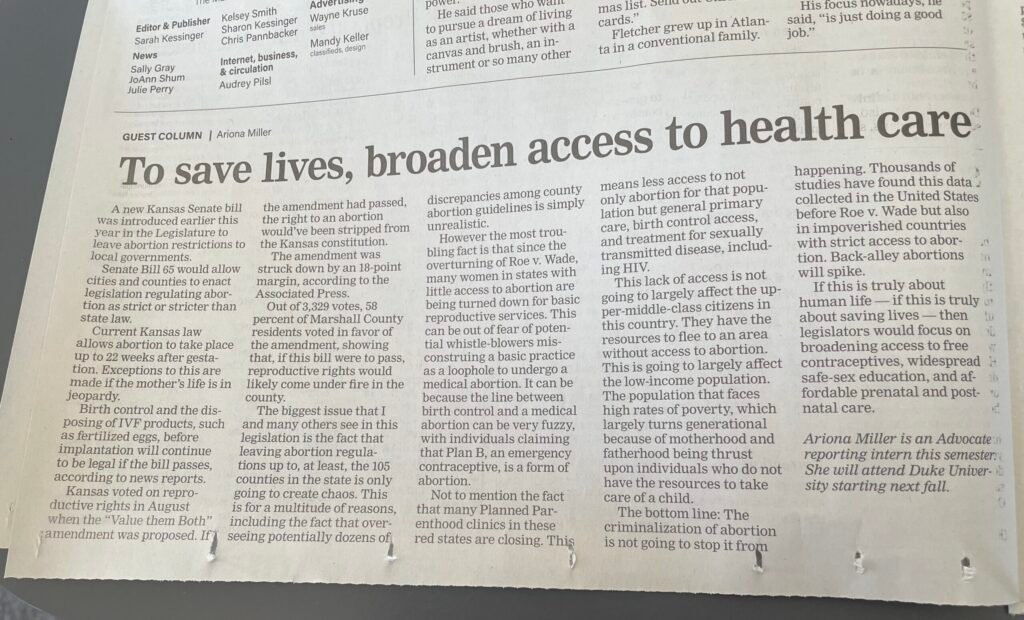
Today, Ariona is far from the DCF office in Marysville. But she still thinks about it often, especially when lawmakers debate, delay, or dismiss Medicaid expansion in Kansas.
“When elected officials decide not to hear a Medicaid expansion bill, it’s five minutes of their day,” she said. “But it’s every day for people who live without healthcare. It’s constant. It shapes your choices, your stress, your future.”
Ari wants policymakers to stop treating Medicaid as a budget line item and start treating it as what it really is: a lifeline. “Young people like me leave states that don’t invest in us,” she said. “If there’s no infrastructure, no support, we don’t come back.”
Lending Her Voice
Despite everything, Ari doesn’t wish her story were different. She just wishes people asked more about what it means.
“So many of the people I grew up with were touched by poverty, by hunger, by lack of insurance,” she said. “That’s not rare. What I went through is more common than people realize.”
She hopes her story helps others extend empathy — not just to people like her, but to the people they see at the grocery store, in line at the pharmacy, sitting next to them in church. “You never know what someone’s carrying,” she said. “But chances are it’s heavier than you think.”
That’s why she continues to speak up in classrooms, in organizing spaces, and in personal conversations. She offers to help friends navigate SNAP applications. She advocates for policy change. And she never forgets the people who helped her get here.
“My role is to lend a voice,” she said. “For the people who don’t feel like they can speak up yet,. I can be a resource.”
A Future Rooted in Unlearning
Ariona wants a future where people stop asking whether others deserve care in the first place.
“We have to unlearn so much,” she said. “Especially working-class folks who’ve been fed the idea that welfare is for ‘other’ people, that there’s a difference between them and someone needing help. There’s not. That’s rhetoric. It’s division. And it’s hurting all of us.”
What she envisions instead is a community where people invest in one another through policy — including expanding Medicaid — and through compassion.
“We all do better when we all do better,” she said. “Healthcare isn’t a privilege. It’s a right. And we have to start acting like it.”
###