
Experiences beyond the talking points
August is a special time in Hays, Kansas. It’s move-in weekend at Fort Hays State University, when parents unload cars, dorm hallways fill with mini fridges and extension cords, and a bunch of 18-year-olds embark on their first extended stays away from their homes and everything else they are used to.
Advocates like Anniston Weber, who work in campus sexual violence prevention, have a name for the next several months: The Red Zone.
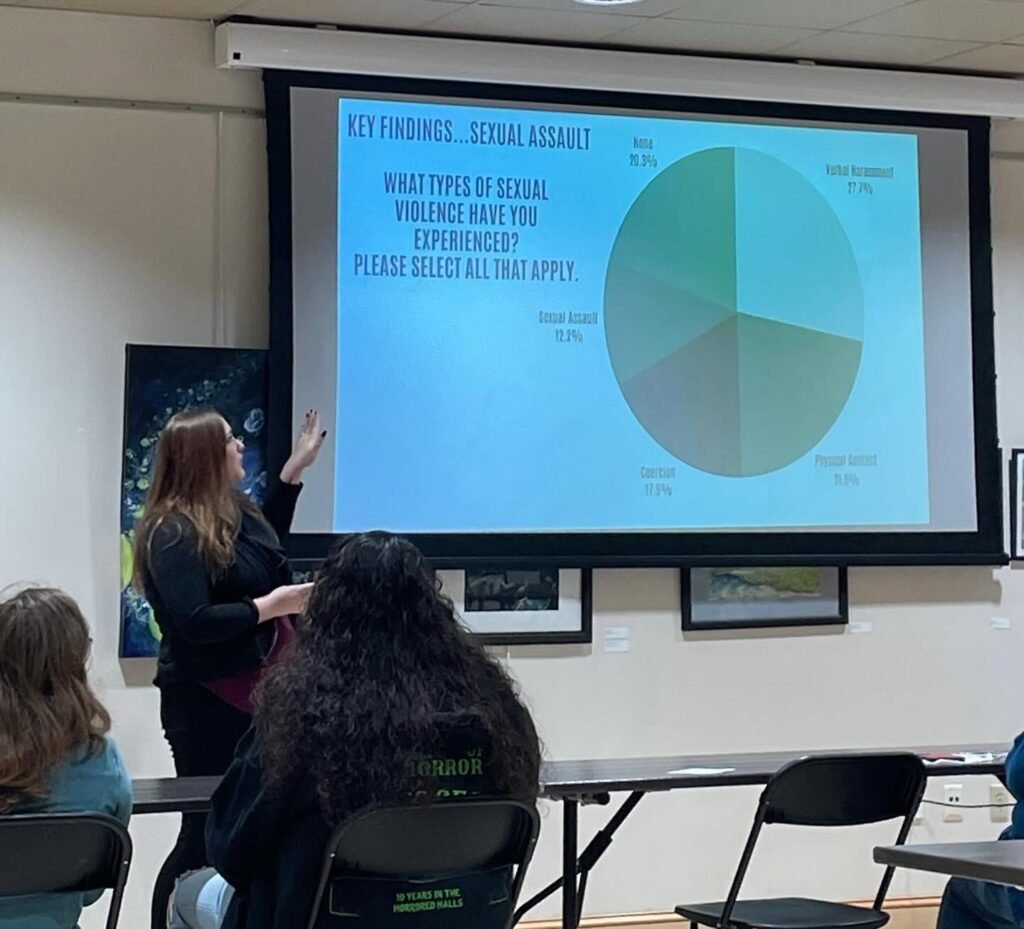
It’s the first six to ten weeks between the start of the fall semester and Thanksgiving break, when the risk of sexual assault is at its highest point on college campuses across the country. Higher than at any other point in the school year. A U.S. Department of Justice study of nine colleges found more than 600 assaults among first-year students in September and October alone, more than the next four months combined.
It’s part of what drives her passion to serve as an advocate at a sexual assault and domestic violence center in Hays. Every fall she watches the same pattern repeat – newfound freedom, heavy drinking, and consent education that hasn’t caught up to the realities of new beginnings on college campuses.
“There’s this idea that ‘no’ just means ask 15 more times,” Weber said. “I’ve watched college men roll their eyes through my presentations on sexual assault and consent.”
The small-town atmosphere in rural Western Kansas in a lot of ways makes it more difficult to report, recover from, and prosecute a sexual assault.
“It’s a ‘don’t ask, don’t tell’ kind of mentality,” Weber said. “Everybody knows everybody. People defend neighbors and coworkers accused of abuse because they’ve known them their whole lives.”
Often, victims who do come forward get painted as liars and lose the community they thought would support and protect them. Such an environment in conservative, tight-knit communities doesn’t make it easy to ask for help with any sort of care – especially reproductive care.
Some of what Weber deals with doesn’t look like assault at all on paper. Sometimes, the abuse is reproductive coercion, such as poking holes in condoms, pressuring a partner into one pregnancy after pregnancy, or blocking access to birth control altogether.
“It’s one more way a partner can control somebody’s body without ever laying a hand on them,” Weber said.
In her work, Weber helps residents of Hays and the surrounding areas get Plan B emergency contraception, or drives them more than three hours away to get the care clients have indicated they desperately need.
Both the volume and the severity of these cases have climbed nearly every year she’s been doing the work, all while funding for sexual assault response and support has fallen. It’s more critical than ever before that the women she serves have access to these necessary services, Weber said.
And what’s more, the extent of the need isn’t truly known. Official rape statistics come almost entirely from police reports, and most sexual assault is never reported, which means the numbers her center sees don’t match what shows up in state crime data. In many instances, a woman will ask an advocacy center for help, but stop short of reporting the crime to authorities.
“It bothers me that rape cases are undercounted,” Weber said about pregnancies that result from rape. “It feeds the idea and public conversation that treats abortion statistics as a clean, complete picture, when they’re missing most of what’s actually happening.”
Informed by Experience
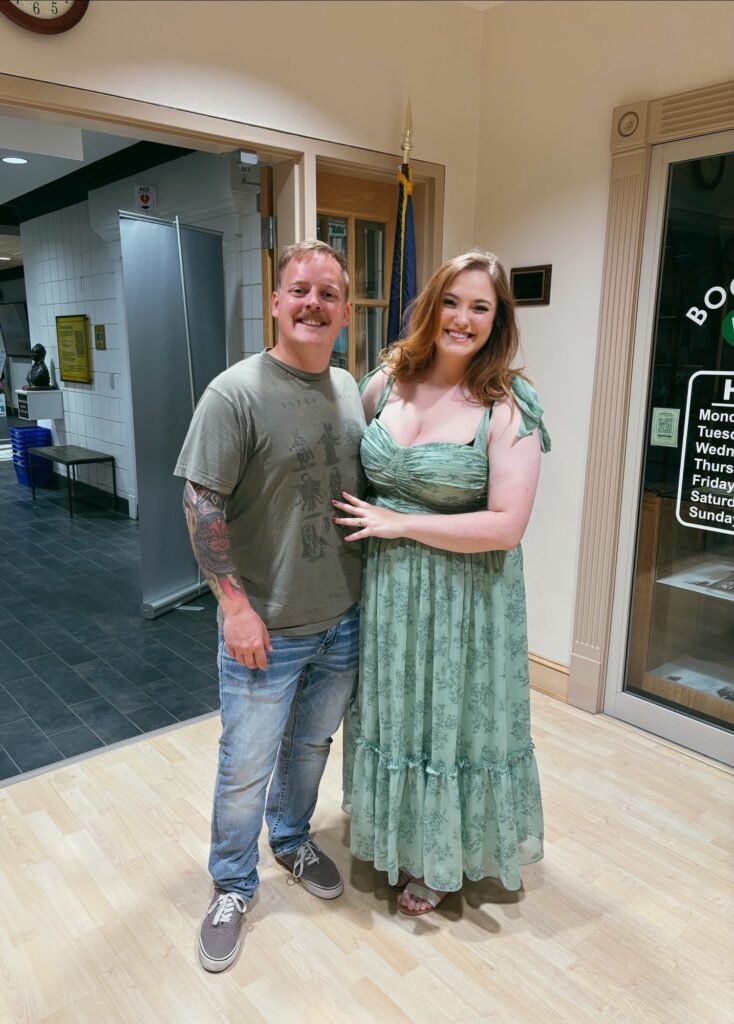
Weber understands at a personal level the need for access to reproductive care. She was 20 years old, in a relationship with the man who would become her husband, when she found out she was pregnant.
Her pregnancy wasn’t the result of assault or coercion, but she was at the height of a depression severe enough that she didn’t trust herself to become a parent.
“If I had carried on with that pregnancy, I believe I would’ve taken my own life,” she said. “That access saved my life.”
It wasn’t a decision she made lightly. She sat with it, talked with her partner, thought it through, and consulted her most trusted friends and family. Ultimately, she made the decision that felt best for her well-being and her future.
“There’s a lot of propaganda out there that it’s incredibly painful and takes a toll on your body,” Weber said. “But the relief I felt taking that first round of medication, it was like a weight being lifted. The depression didn’t go away, but the overwhelming dread did.”
The abortion itself wasn’t what hurt; it was the sound of protesters outside, telling her she deserved to rot in hell – something she still can hear clearly today.
“That was the traumatic part. Not the procedure. Them,” Weber said. “They didn’t know why I was there. I could’ve been getting a mammogram, for all they knew.”
Her family, largely politically conservative themselves, came through for her, with her mother and her partner both sitting with her and walking with her through the experience.
“A lot of people don’t have that,” she said.
She doesn’t bring up her experience casually, because people assume it’s traumatic. Her view is that it was a medical procedure that kept her alive.
The Guttmacher Institute research estimates that roughly one in four American women will have an abortion by age 45 – a number Weber wishes people truly absorbed and took to heart in the policy discussions around reproductive care.
“It’s more than just numbers when they report on the amount of abortion services,” she said. “It’s real women with real lives. Some are children, and it’s not a choice people take lightly. It’s complicated and complex.”
She rejects the idea that offering a child for adoption is a simple substitute. While that might be the right choice for some women, it’s not available for women who became pregnant through coercion or assault, and it’s not right for women who face dire health consequences if they carry the pregnancy to term.
More importantly, limiting and restricting access to reproductive care violates the very American idea of freedom and bodily autonomy.
“It’s supposedly a core American value, right up until it applies to pregnancy,” Weber said. “I wouldn’t be obligated to give someone a kidney, even if I was the only person alive who matched with them,” she said. “So why would I be obligated to give someone my womb? “Everyone deserves autonomy. We’re choosing ourselves, and our families. It’s a medical procedure to keep us here.”
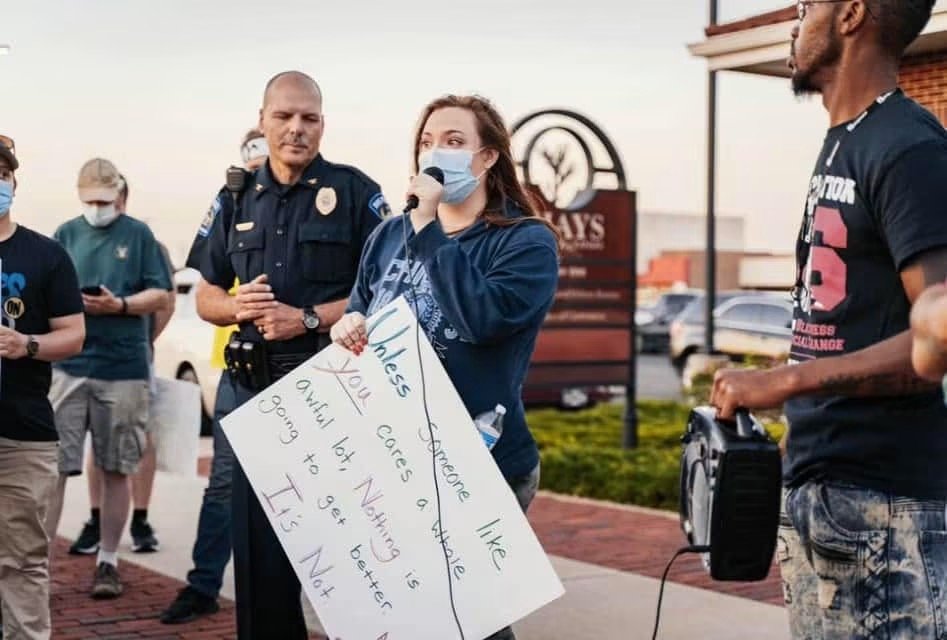
She doesn’t expect everyone to agree. But she does hope that our communities and elected officials will make the effort to actually listen and learn about others’ experiences.
“People around here have very similar viewpoints,” she said. “If they listened, they might still think I was wrong, but they might see that I had the right to make the choice. Instead of calling our neighbors evil, we might be able to start more conversations from the assumption that everyone is a real person, with a real story. Not a talking point.”
###