Why Local Farms Matter: Stewardship, Community, and the Future of Food in Kansas
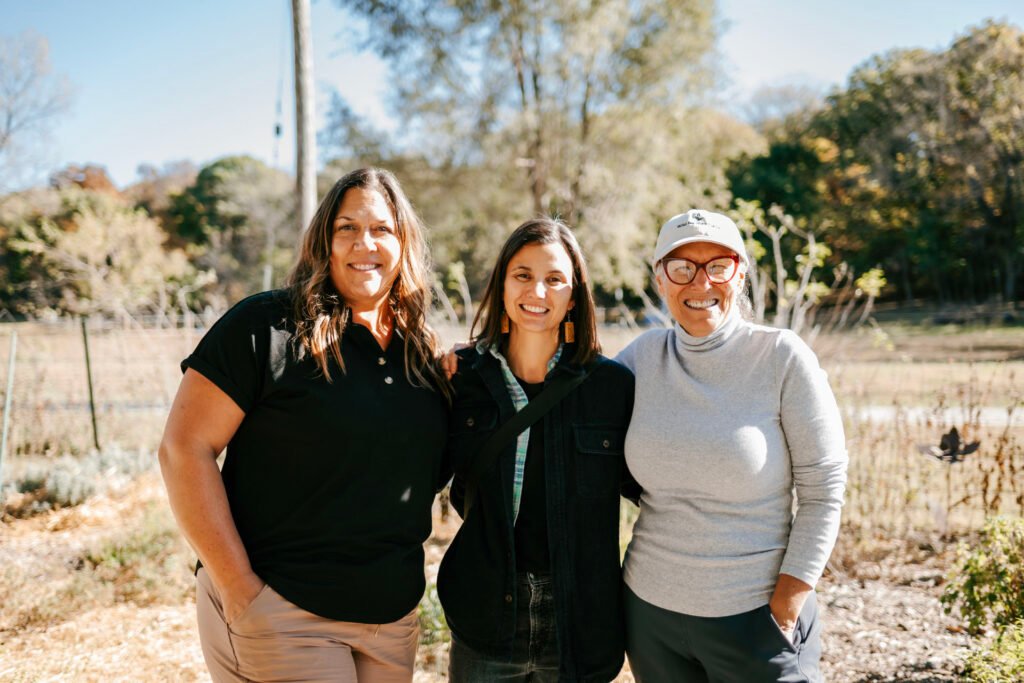
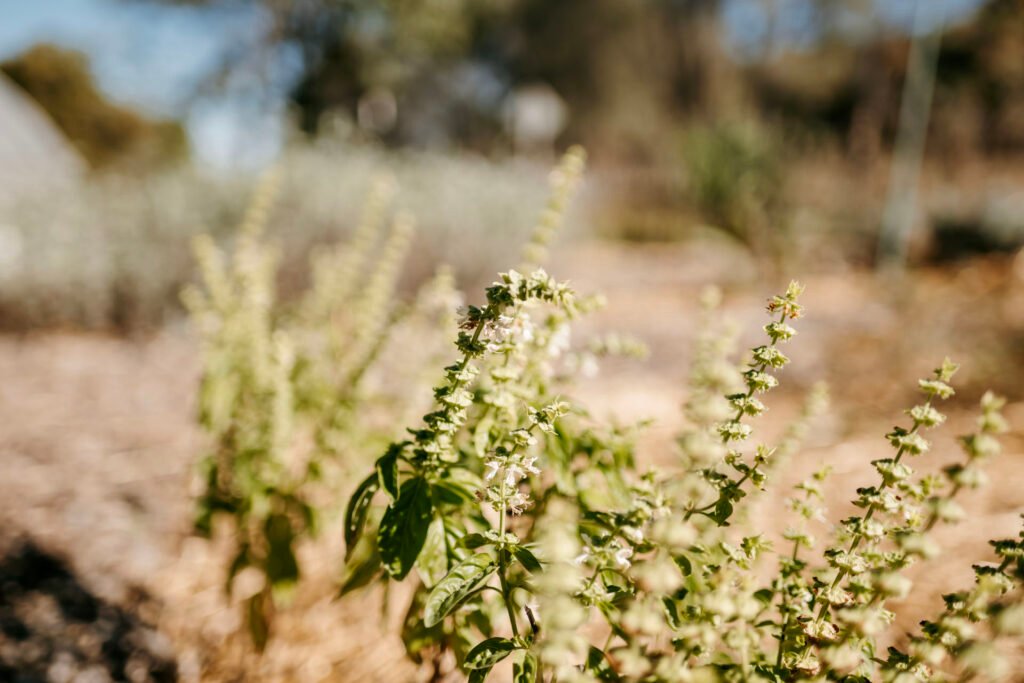
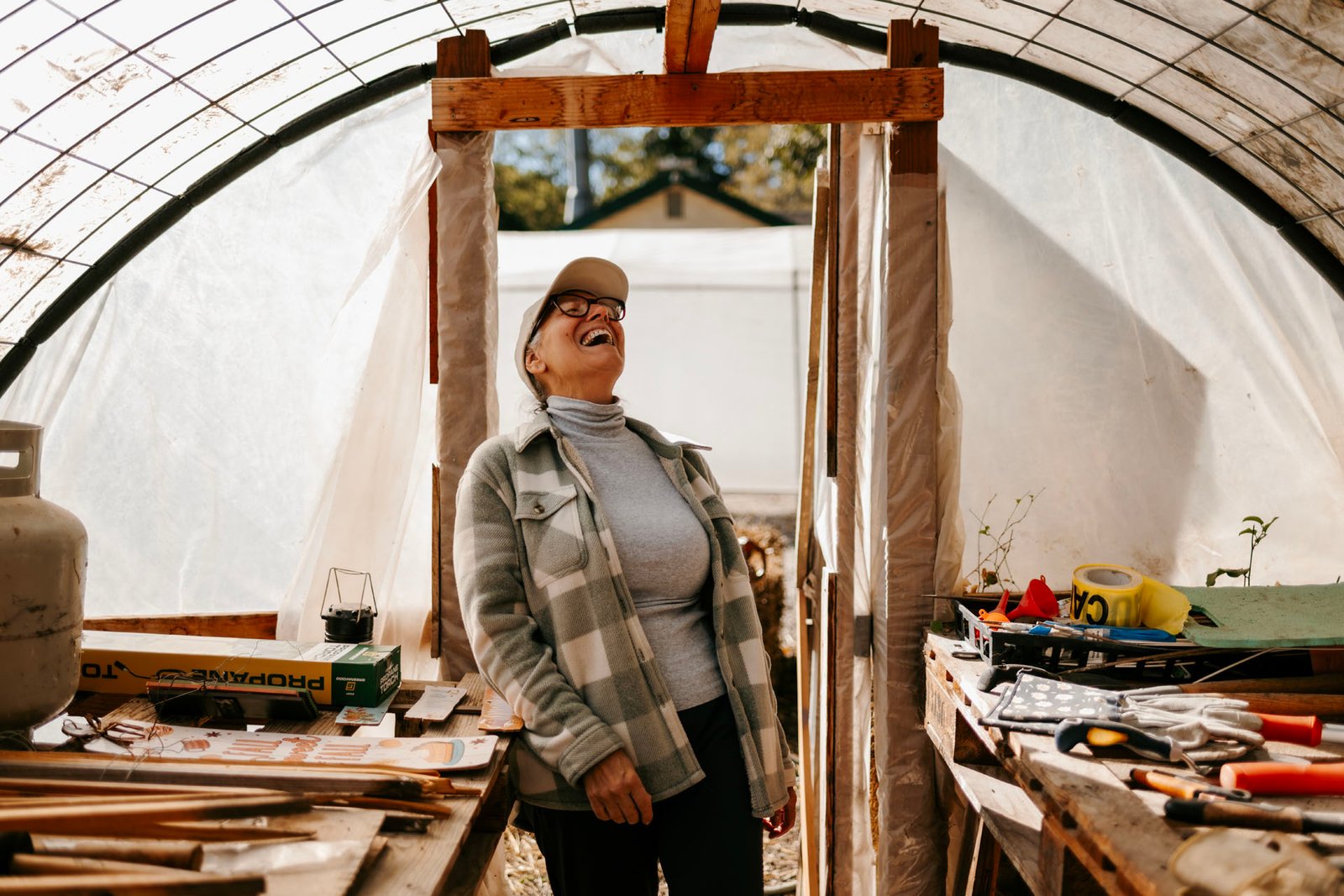
“My grandmother came to this country with seeds in her pockets,” said Lori Trojan, owner and self-described steward of her three-acre Wild Ivy Farm about 20 minutes south of Lawrence, Kansas. “Her seeds were medicine, more important than anything else.” Trojan has continued the generational practices her grandmother had taught her — companion planting, regular weeding, rotating plant varieties, as well as how and where to prepare and apply herbal salves, tinctures, and more. She grows 80 varieties of herbs and elderberry, focusing on selections hardy to this zone and paying close attention to the soil itself. “I hate growing plants that die,” she said with a ready laugh.
Trojan also teaches and educates her close-knit community, both informally and through monthly workshops on a range of topics, among them making salves, designing herb gardens, and explaining herbal options for children for mothers to try. She invites local farmers with specific expertise to be guest speakers. They’ve spoken on composting, mushrooms, fairy gardens; a future speaker will address dying plants as part of the life cycle of plants
We Need Each Other
“Everybody has a niche. I try to gather people who have specialties and teach a range of knowledge that others can take home. The more knowledge that you have, the more you turn to natural ways of living — and this develops community, which I think is extremely important, especially as things unfold for us in our current world. We need each other,” she said, noting that class attendees can continue their learning by contacting fellow classmates: “a community of people who can call one another.”
Trojan’s two great passions — sustainable farming and community — show up in multiple ways. When she began her latest enterprise (“I’m a serial entrepreneur,” she said, adding that “this gig is my last”) she was surprised at the Lawrence community’s outpouring of love and help. “Volunteers came to help; people just show up when needed,” she said. “I don’t feel alone.”
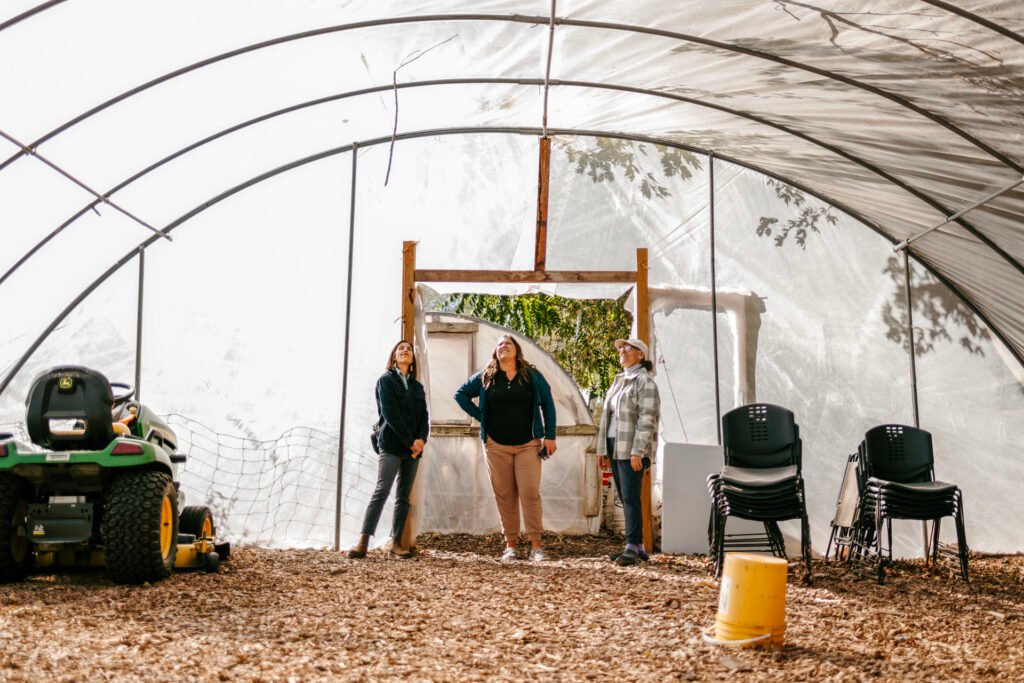
She recalled how she came to obtain her small seed house and her much larger hoop house. She found a picture of the seed house she wanted and showed it to neighbors, who promptly agreed to help her build it and refused payment of any kind.
Some time later, a strange truck drove up. “Do I know you?”Trojan shouted, wary. “He said, ‘No’ and got out of his truck. ‘I see you have a hoop house,’ he said. ‘Would you like another one? I’ll give it to you for free.’” Two weeks later, he returned and dumped raw materials for the hoop house on her lawn. She asked if he had a blueprint or diagram or … something? … to show her how to assemble the massive building. “He said nope! and drove away,” she said cheerfully.
She had just joined a group called Growing Lawrence, which she contacted for help. Members — including town leaders “with busy lives” — pitched in through cycles as time permitted. “Through the next two years, people that I met would come through and contribute something. One helped with the rudimentary beginnings; another brought his bucket truck to help with the next part. I know how to weld, I can do this part! and then Oh, I know how to throw plastic! Over the next couple years, random folks who visited helped me construct based off their expertise. After about three years, that thing got built.”
Changing Times
In early 2025, billions of grants and support were paused across a wide range of federal agriculture programs. The cuts have affected more than farmer livelihoods, setting off a domino effect in people’s lives, from mental health issues as Americans grapple with personal and business financial crises, to increased hunger, to decreased nutrition, to ecological damage in soil, water, and lakes.
“Our food system is everything. It’s at the heart of everything we do. To not invest in the value of this industry — local farms and farmers — is shameful.”
“Our food system is everything,” said Trojan. “It’s at the heart of everything we do. To not invest in the value of this industry — local farms and farmers — is shameful.”
Nutritional or otherwise, one in five American kids regularly fails to get enough to eat. Cuts in spending for cafeterias and food banks have been joined by deep cuts to the Supplemental Nutrition Assistance Program (SNAP), a loss of $185.9 billion, or 20 percent of total program funding.
“When I think of SNAP cuts, the first image I have is of single women with kids who relied on them,” said Trojan. “But it goes further than that. It affects the farmer’s market. When there are no SNAP funds to spend, farmers are affected. Now the farmer goes hungry too.”
This domino effect is felt by both Trojan — the farmer’s market provides 70 percent of her income — and her community. “Every week, four thousand people go through our farmer’s market, which has 70 vendors,” she said, noting that business is down collectively. “People are nervous about the economic forecast. They are hanging on to their money.”
Touching Lives
Nevertheless, the roots planted by both Trojan and her community have helped them hold firm amidst these challenges. “I fight with resistance,” she said. “I refuse to surrender humanity.”
“It’s not a choice to say, ‘If local farms fall away, it’s OK because we have corporate farms,’” she said. “No! It is imperative that we keep local farming families strong. They must have a future and a way forward, a thriving income.”
Alongside Trojan’s passion for community interactions — sharing tools, sweat, meals, supporting leadership, entrepreneurs, friendship — she is equally adamant about the micro-level elements and sustainability of healthy farming. She spoke of “harnessing the soil, the building blocks” of all the things that make harvests possible. “What you eat is dependent on what is underneath it,” she said.
Trojan models her strong belief that people need to be advocates for what they believe in. “Every human being should have a right to make decisions about their own being,” she said. “No one should be able to tell us how to make decisions about our health or life. Make your voice heard. It doesn’t have to be a loud voice; you just need to contribute.”
Throughout, Trojan has followed the values and traditions of her family’s many generations: look after yourself, your family, and your community in whatever ways you can. “The future for me is the same: to touch as many lives as want to be touched,” she said.
She advised her fellow Kansans to follow this path: “Reach out to others; if you don’t ask, it won’t come to you. Do what you can, pass on as much as you can. Get involved. If something affects your neighbor, it affects you.”
###