
On Miscarriage, Abortion Access, and the Power of Compassionate Care
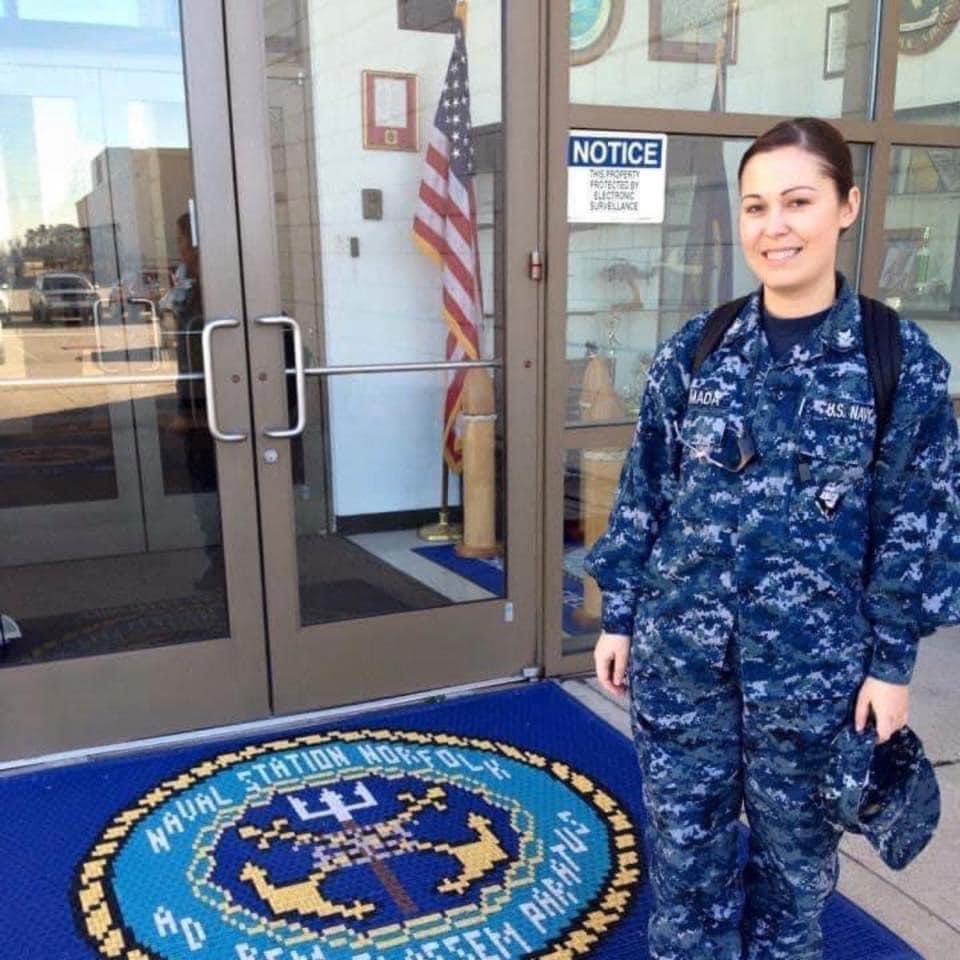
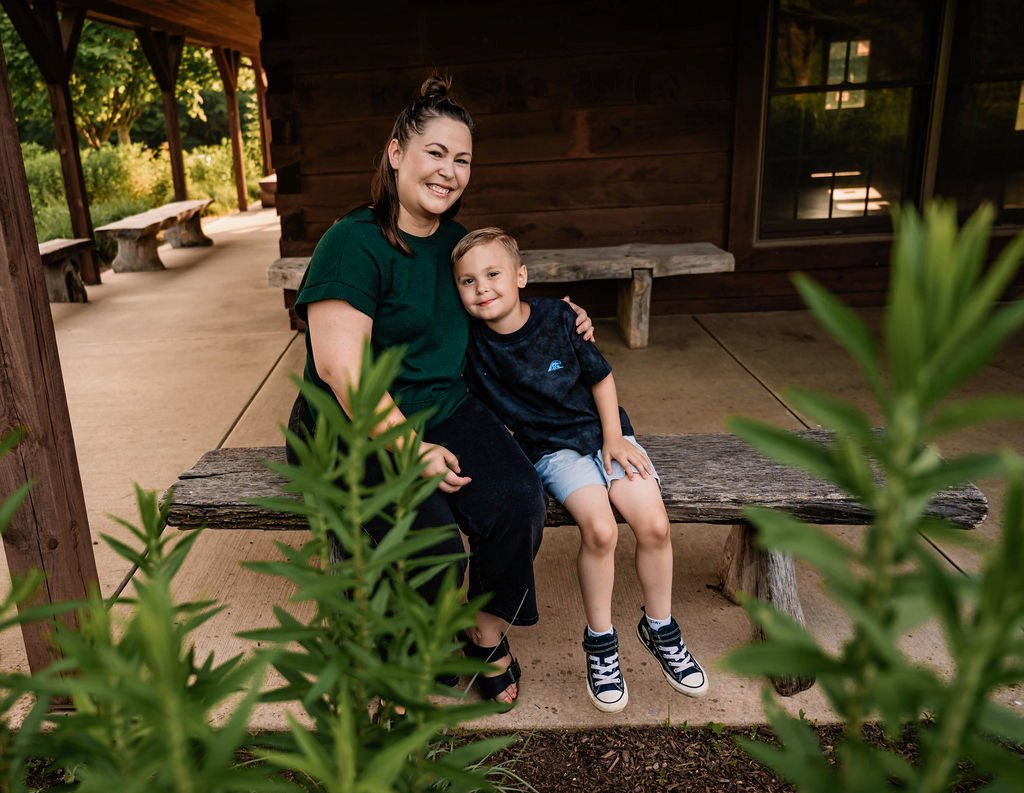
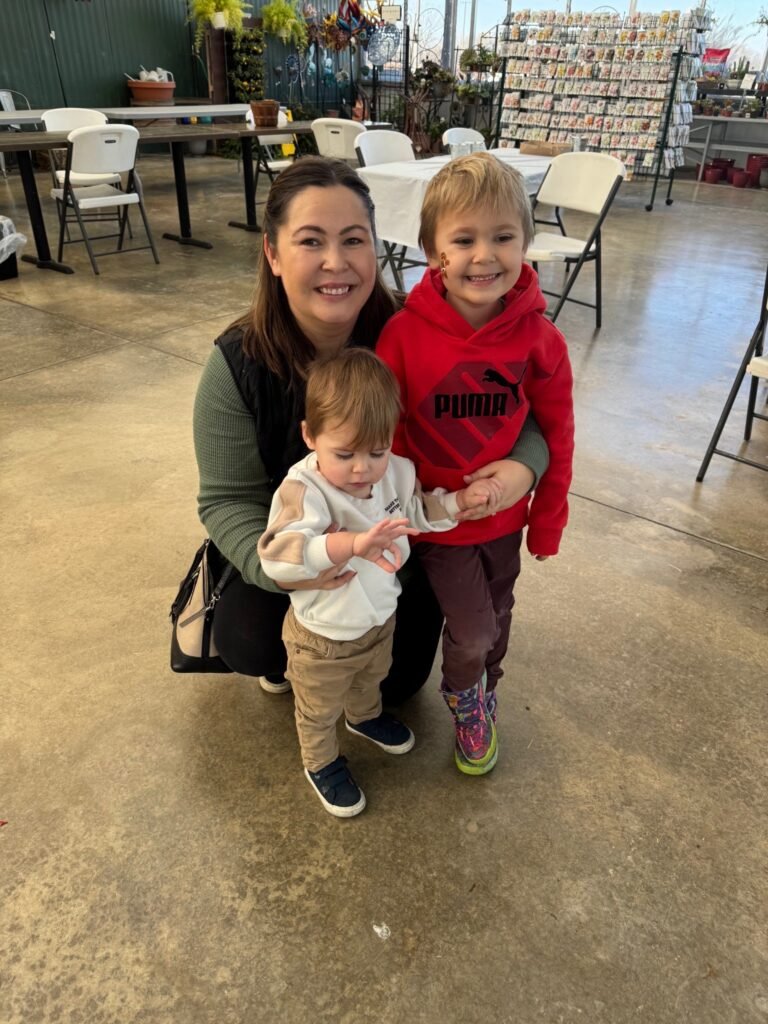
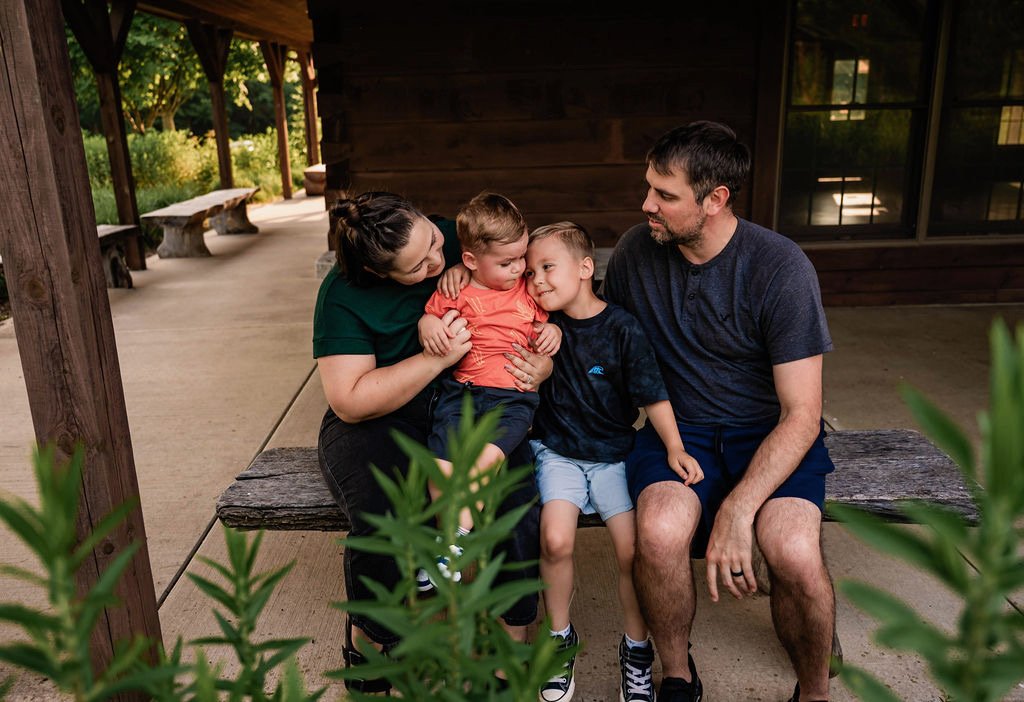
Christina Ahumada is many things: a Navy veteran, an air traffic controller with nearly two decades of service, a newlywed, and a mom to two boys, ages 6 and 2, who keep her life full and moving.
She’s also someone who shows up for others. In her son’s elementary school, in her neighborhood, and in quiet acts of generosity, whether that’s donating outgrown clothes and toys or simply offering support to other parents navigating their own challenges. Christina makes sure people around her know they’re not alone.
Her own journey to motherhood, though, wasn’t easy. It shaped how she sees care, choice, and what it means to be supported through the most vulnerable moments in life.

Two Stories, One Body
Christina experienced two miscarriages, years apart, in very different systems.
The first was in 2015. She was 24, serving in the Navy and stationed in Virginia. At 12 weeks pregnant, she went in for an ultrasound and learned the baby had stopped developing at eight weeks. What followed was clinical, cold, and fast. “It was treated like just another procedure,” she said. “Like I was just another body in line.”
She was given a pill, with little explanation of what it would do or how it would feel. There was no conversation about options, no room to process the loss. “No one talked about what could happen afterward. There wasn’t time for grief. It was just… over.” Christina went on to have a healthy baby boy, Noah, a few years after her first miscarriage.
Years later, when she and her husband Richard decided to try for a second child, they were living in Kansas and began receiving care at Pearl OB/GYN in Wichita. They quickly became pregnant. At her 12-week ultrasound, she received the same heartbreaking news: the baby had stopped developing around 10 weeks.
But this time the care she received was different.
Her care team took time to walk her through every option with care and clarity. They explained what to expect with the pill versus a D&C, including how each option could affect her and what the healing process would look like. After a follow-up ultrasound confirmed the miscarriage, her D&C was scheduled within two days. It was quick, safe, and compassionate. “There wasn’t a single moment where I didn’t feel supported,” she said.


The Power of Compassionate Care
Christina was struck by how straightforward it all was, not only the procedure itself, but also the experience of being treated with care. After what she had gone through in the Navy, she hadn’t expected that.
“It made all the difference,” she said. “It helped having Noah, my oldest, at home. It helped having family nearby. But what really helped was not feeling like I had to fight to be seen or taken seriously.”
She also knew more this time — about her body, about the medical process, and about how common miscarriage actually is. Still, that didn’t make the emotional weight any lighter.
She talked about the guilt she felt, especially after her first loss. She wondered if it was something she had done and looked for answers that might never come. “You always ask yourself why,” she said. “Even when you know it’s not your fault.”
And even in Christina’s healthy pregnancies, the fear didn’t go away. After her second miscarriage, she didn’t tell anyone about her pregnancy with her youngest son, Leo, until much later. “I needed to be sure he was going to stick,” she said.
The Right to Choose, The Right to Access
One of the most painful parts of Christina’s story is knowing how close she came, twice, to not having a choice at all.
“A D&C is classified as an abortion,” she said. “And if I hadn’t had access to that procedure here in Kansas, who knows what could have happened.”
Since the United States Supreme Court overturned Roe vs. Wade and ended the federal right to abortion, states have grappled with the consequences of abortion bans on reproductive healthcare, including miscarriage care.
Christina worries that most people don’t realize how critical this type of care is for women experiencing pregnancy loss. “It wasn’t about whether I wanted the pregnancy,” she said. “It was about what I needed to stay safe and move forward.”
“A woman should have the right to make decisions about her own body. To carry to term, or not. To get the care she needs. Period.”
To her, it’s simple: “A woman should have the right to make decisions about her own body. To carry to term, or not. To get the care she needs. Period.”
Not Every Story Is the Same
Christina doesn’t share her story to get sympathy. She shares it so others might feel less alone and so decision-makers might better understand what’s at stake.
“I just want people to be mindful,” she said. “Not every situation is the same. Not every pregnancy ends the way you hope it will. But everyone deserves the same right to care.”
And that care, she reminds us, isn’t just about medicine. It’s about being treated with respect. About being given options, information, time to process, and space to grieve. It’s about being seen as a whole person, not just a body.
###