
A Story of Servant Leadership in Efforts to Bridge Schools, Communities, and Families
For more than twenty years, Susan (44), a school psychologist in a mid-sized city in southeastern Kansas, has advocated for meeting children where they are by assessing and attending to the whole child. She knows children are complex, layered, developing individuals who are shaped by their relationships, especially by those with adults they interact with daily in their classrooms and school environments.
Born and raised in Dodge City, Susan and her husband, Brian, an agricultural engineer, now are raising their family on the other side of the state. Susan reflects the grounded pragmatism and quiet service that anchor so many Kansas families. Her own grandmother and mother were lifelong educators; her father, an army veteran, worked in community mental health. This dual inheritance shaped her career path: part teacher, part clinician.
Throughout her career, she has served in public schools, private settings, and as a statewide educational service consultant. Traveling across rural, suburban, and urban districts, Susan has provided professional learning for paraeducators, teachers, principals, superintendents, and support staff. This varied body of work gives her a unique panoramic view of the Kansas education landscape.
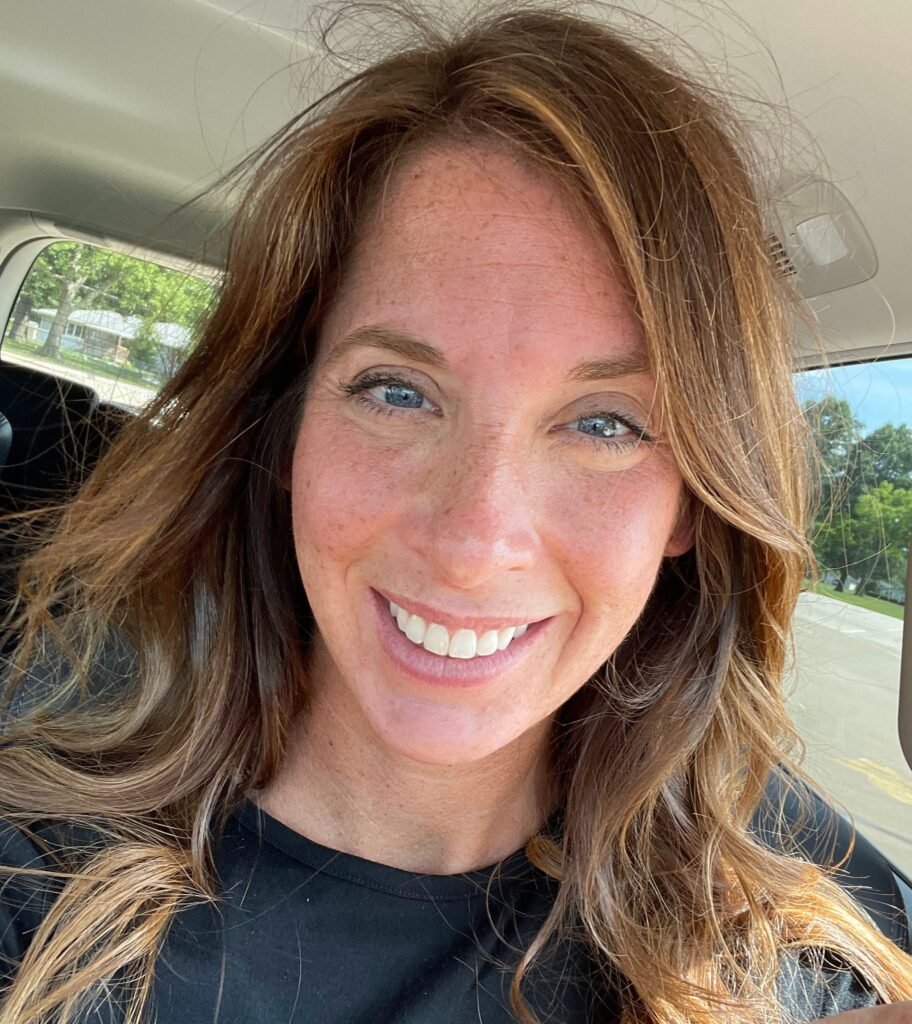
When Susan talks about children, she consistently returns to the science of “brain states”—understanding the “downstairs brain,” the neurological systems activated under stress and how those systems shape behavior. She explains that children cannot access higher-order thinking—problem-solving, creativity, logic—if their lower brain systems are activated by fear, instability, or unmet basic needs such as food, clothing, shelter, and safety. “If kids don’t feel safe and secure and loved and relational, those higher parts of the brain don’t activate,” she explains. “And behavior is communication. [Poor behavior] tells us something neurologically isn’t working for that child.”
This knowledge and insight form the backbone of her practice. “Brain science,” for Susan, is not merely a theory or abstract concept, but a practical lens for empathy. Understanding that a child’s behavior is their way of communicating their needs can be transformative for the work of every adult in a school building.
Such work motivates her and connects her to the values of family and community. Reflecting on these values, she begins to share a story about a teenage survivor of sexual assault. She pauses – a pause anyone who has worked in education recognizes. It is held in the silent breath of the pain and pride of bearing witness to childhood, full of sorrow and sadness, respect and regret for wanting to have done more, and a thankfulness to have been the one to have been there, that day, in that moment. Susan was able to simply sit with a child in pain, to be present with that child. “It was important in her life,” she recalls.
Significant experiences like that shape how Susan leads others. Educators and school personnel all have curriculum worries, deadlines, new initiatives to learn, but she remembers the most important question is to ask “What does this child need right now?” She credits her crisis response team for embodying that philosophy: “All the work we do comes down to that individual child in a moment.”
A System Under Strain
“The commitment of teachers is unparalleled. They put themselves second to the children—often to their own families.”
Her compassion for children naturally extends to the adults who serve them. Susan’s admiration for her fellow team members, teachers and support staff across the state is steadfast. She is consistently uplifted by the endurance and devotion she witnesses. “The commitment of teachers is unparalleled. They put themselves second to children—often to their own families,” she observes. “They get sick. They atrophy. They become unwell because of the level of commitment.” While she knows this imbalance stems from systemic shortfalls in funding and policy, she commends teachers for consistently showing up for their students.
Her own work, she says, requires “filling the buckets” of her peers as much as tending to students. The system, she argues, often fails the people holding it together. Paraeducators, for example, possess extraordinary “heart and grit,” yet Kansas does little to develop or compensate them adequately. “We are not growing these individuals who are the backbone of our schools,” she argues. This causes “so much lost opportunity.”
Having worked extensively in small towns, Susan speaks with deep respect for rural Kansans. In her travels across the state, she has encountered a consistent spirit of humility and hospitality. Small-town professionals “are forever grateful for any support they receive. I have never once felt unwelcome,” she says. But gratitude often coexists with strain—limited staffing, aging facilities, and administrators who serve in multiple roles. An illustrative example she shares is of a principal who was also a bus driver, counselor, and teacher. “They come in every day for those kids,” she says with that same mix of bittersweet admiration, “But they shouldn’t have to do it all.”
“I wish [policymakers] could feel what it looks like and feels like, day-to-day. I want them in classrooms for an entire week. Not a tour. Not a photo op. A whole week,” Susan states.
For her, leadership requires discomfort. “If we’re not uncomfortable, we’re not learning,” she explains. “Curiosity must come before solutions.” She wishes those “with power” approached education policy with that same humility and had first-hand knowledge of the realities of what happens day-to-day in Kansas public schools.
Building Community Bridges
To build a better future for Kansas schools, Susan advocates for intentional collaboration—between schools, families, and the wider community, including businesses, churches, mental-health providers, law enforcement, civic organizations, and local leaders. “What are we doing in schools that our community could mirror? What shared language could help support kids beyond the classroom?” she asks. “Integration and mindset change must happen faster. Our kids are changing faster than our systems.”
Susan’s story is ultimately one of servant leadership; it is of a remarkable, strong woman who models the empathy, humility, and perseverance she hopes to see in others. Her message to Kansans is both an invitation and a challenge. Get curious. Be brave enough to feel uncomfortable.
She asks her fellow citizens to talk with friends and neighbors about what is happening in our schools. Attend a board meeting. Ask your district leaders what mental-health supports exist. Seek to understand the realities educators face every day. Only then can we elect—and hold accountable—leaders who ground their decisions in lived experience rather than assumptions or empty platitudes.
Let Susan’s story move you toward action. Share it, discuss it, and help build a Kansas where every child is supported not only in the classroom but also in the communities that surround them.
###