Nutritious Soil at Farmyard KC
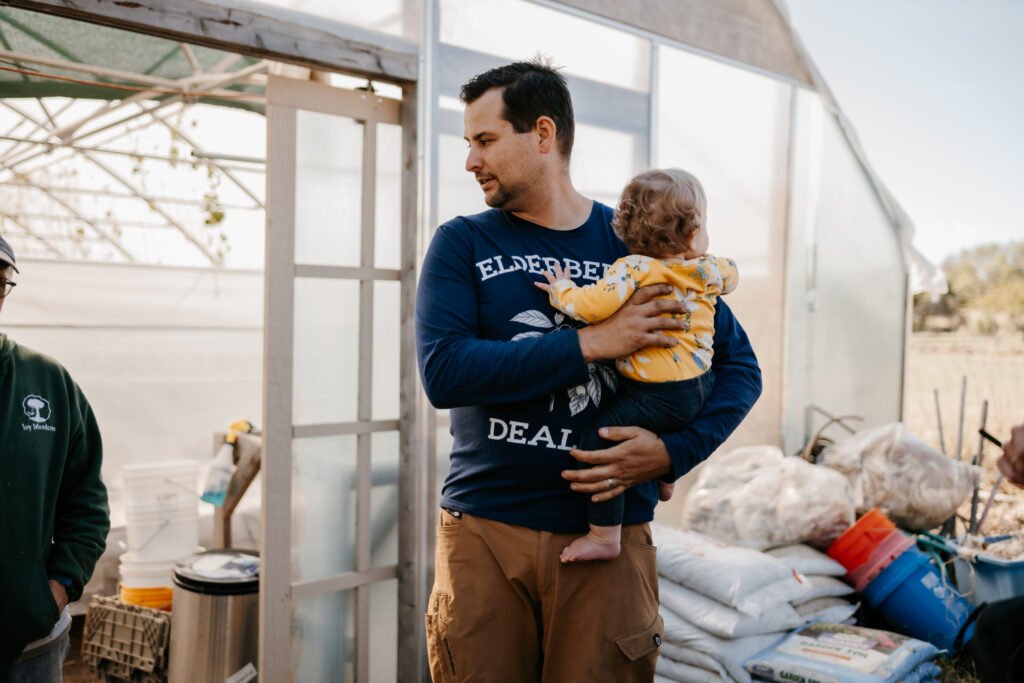
“One of the things we’ve lost is the ability to know where our food is coming from,” said Farmyard KC’s Mickey Gallagher. “The current U.S. food system has done a great job with distribution, getting food to almost everywhere it needs to go.” But in the pursuit of profit, what is missed, he said, are how nutrient-rich and evenly distributed those foods are.
Athletics to Nursing to Farming
In high school, Gallagher was “really into” athletics, his eyes on the 2016 Olympics in Rio. Then he got “smacked with reality.”
So, he turned to food and nutrition “because I love to cook.” A class documentary about the environmental and health damage that can result from agribusiness “really radicalized me. I let that bake in the back of my brain.”
He considered nursing, but after a hiccup in college plans, he transferred back home. His father suggested agriculture.
“That sparked my interest from high school,” he said. He worked on a farm, graduated “with a big debt,” and got a corporate job.
But along the way, he had discovered micro farming — “small-scale, high-intensive vegetable farming,” as his website explains. He started thinking about the possibility that high-enough production levels to make a living could be possible with this kind of farming.
“It’s essential: Everybody has to eat,” Gallagher said.
He volunteered at a permaculture farm in Kansas City, then worked at a farm in Washington state to learn more. He discovered a system stressing the concept that what was going on underneath the surface of the soil was more important than what was going on above the soil.
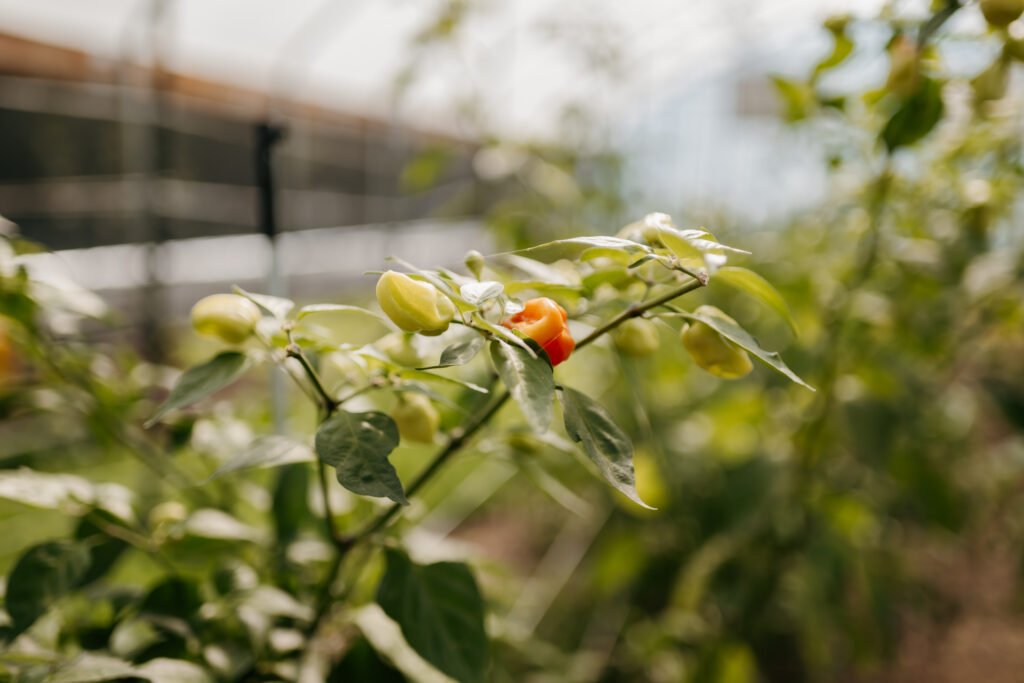
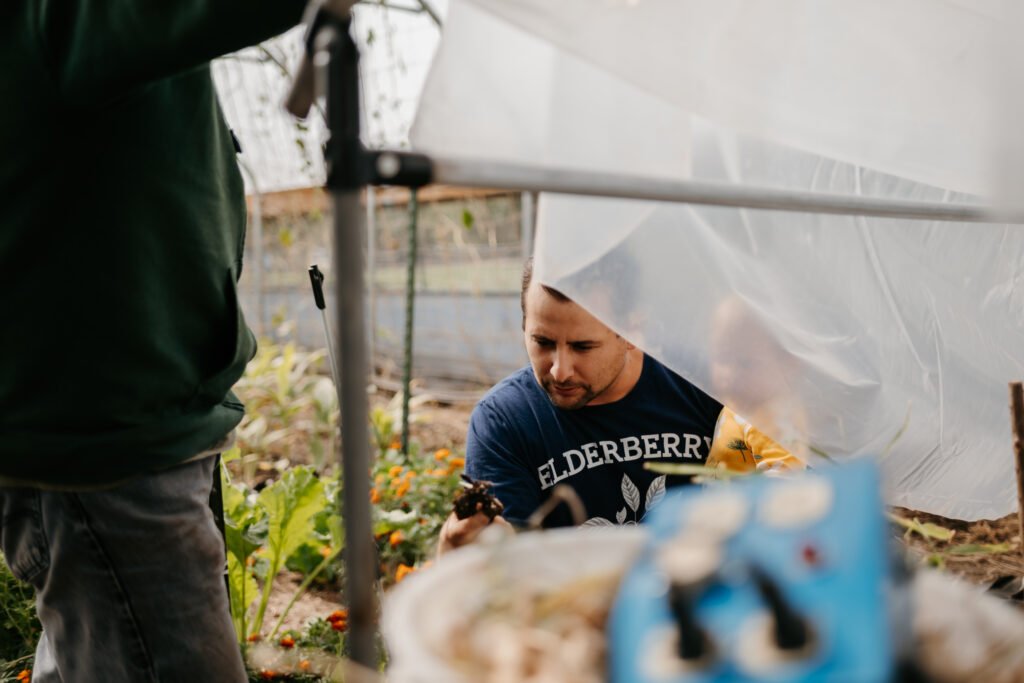
In spring 2024, he started Farmyard KC, a small-plot, regenerative-focused market growing garden lettuce, root crops, herbs, garlic and elderberries.
“Regenerative” agriculture means maintaining a natural ecosystem with diverse species that protect the integrity of its environment and soil. The result is nutrient-rich produce. Along with its vegetables, the farm aims to make nutrient-dense items like ginger and turmeric accessible to all, including low-income folks.
Gallagher enjoys pulling weeds, which “helps me relax my brain, get into whatever topic I want to sit and think on, to just kinda be in silence and work with that.” But he noted that farming can be very lonely, and there are times when he is ready to talk out the ideas he’s percolated with other farmers.
“The willingness of the community to support each other has been awesome to be a part of,” he said, noting that competition among small farmers is less concerning than that coming from Walmart or Target, with their convenience factors. “I think building community is more important than almost anything else when it comes to small farms. Leveraging each other’s strengths is the only way we’re ever going to move up.”
Gallagher cares deeply about earning the trust of those in his community.
“I try to maintain communication with customers I have made, really form relationships so that they know where their food is coming from,” he said, noting that he makes the farm available for those interested in visiting and learning more. “I want them to trust me, to know that I’m not spraying pesticides on what they’re eating.”
Day-to-day details beyond the soil can be daunting.
“Scheduling, legal insurance, and the legalese can be a real hindrance,” he said. “There should be regulations, but sometimes it can be a little bit confusing: ‘This reg doesn’t make any sense. Does this apply to me?’ Great organizations like the Miami County Conservation and Cultivate can help,” but finding time for marketing, repairing broken appliances, and dealing with pests are among the many steps “in getting food from seed to plate, [with] a lot of possibilities of failures.”
There is also the issue of developing trust with restaurants.
“If you say I’m going to bring in 10 pounds of lettuce and then a rabbit gets into your greenhouse, or a deer finds your plot with 600 heads of lettuce the week before you’re going to harvest …”
That example is not a hypothetical. The previous year, Gallagher had “600 to 700 nice heads of lettuce” and needed to attend an out-of-state wedding. He asked a friend to watch things over the weekend.
As the wedding ceremony was about to start, he got a call: “‘Hey, I think something’s eating the lettuce,’ and he sent me a picture. I hadn’t fenced it off yet, so that was fun. Farming is good at teaching you humility.”
The math of nourishment
Healthy food affordability and accessibility were not on Gallaher’s radar growing up in the suburbs. The 2008 film he watched in high school opened his eyes.
“It seeded a lot of ideas that the system we live in has these holes, and they are growing,” he said. “Farm workers who harvest the food we’re eating don’t even have enough money to buy a healthy dinner. That stuck with me. A lot of people can barely make ends meet. That time they’re working also limits their time to cook a healthy meal. It’s great if you want to give people a free basket of nice vegetables, but do they have a kitchen with proper utensils, or a refrigerator to keep those perishable items, or the time to make a meal? A can of soup on the side of the road: ‘Cool. I don’t have a fire.’”
Access to healthy eating is but one consequence of larger, existential issues.
“We’re losing top soil on a grand scale, and on a micro level, we’re not getting nutrients in our food,” Gallagher said. “More recently, there’s been a lot of research done on best ways that roots feed and perform symbiotic relationships with those soils, whether talking about cover crops or rhizophagy (roots’ absorption of microbes from soil, extraction of their nutrients, and release back into the soil).
“We know very little about the whole idea of taking care of the soil,” he said, noting that many people in large portions of the western world lack “the humility to know that what we’ve been doing to the soil over the last 80 years doesn’t work.”
Beyond the reality that farmers can’t afford the foods they harvest, Gallagher said, “To pull the thread of inequality” reveals a larger inequality throughout society. It’s hard not to see once you’ve seen it.”
In agriculture, the focus of subsidies is on the top three to five companies, which are concentrated in grain and meat sectors. “We have a very brittle food system,” he said.
His message? “Diversify, and lean into that. We’ve become so concentrated that there’s no sense of a free market when it comes to food.” He proposes reducing ag subsidies or focusing them on farmers making less than half a million. One leading corporate farm buys corn and makes it into ethanol, he noted. “So, we’re basically using gasoline to put into the tractor to plant, spray and grow corn and then turn the corn into ethanol.”
Action points
Gallagher said he wishes people would think about both food quality and farm labor concerns. He also encouraged folks to seek out local farmers and aim to prepare as much of a meal as they can from those offerings. “And make a meal and share it with your family.”
As for small farmers, “Continue pursuing ways to produce more. A lot of small farmers forget that we need to make enough produce on a large-enough scale for everything to work.” Persistence and community support can help.
In the future, Gallagher said, “I hope to play a leading role. Not only to rediscover what food tastes like when grown locally but also to bring everybody else along. Healthy food makes you feel better and fills your soul when you’re down. A lot of societal ills could be helped with a healthy diet.”